

A child’s first elephant sighting is rarely quiet. There may be a whispered question, an excited point from the back seat, or a sudden request to see it again tomorrow. A Botswana family safari creates room for those moments, especially when the days are planned with enough comfort and flexibility for every age group.
Northern Botswana is particularly well suited to families who want remarkable wildlife without moving camp every night. Chobe National Park offers big elephant herds, buffalo, giraffe, antelope, and prolific birdlife, while the Chobe River adds a gentler way to watch animals from the water. The key is not trying to see everything at once. A good family safari balances wildlife time with rest, simple logistics, and a comfortable place to return to at the end of the day.
What Makes a Botswana Family Safari Work
The best family safari is not necessarily the most packed itinerary. Long, early game drives can be magical for adults and older children, but younger travelers often enjoy a shorter outing followed by time at the pool, a snack, and an unhurried afternoon. Building in those pauses keeps the trip enjoyable rather than exhausting.
Chobe is a practical choice because game viewing can be varied without requiring constant travel. A morning drive may bring close views of elephants along dusty tracks, while an afternoon boat safari offers shade, open views, and the chance to watch animals come down to drink. Seeing the same landscape from land and water helps children stay engaged, and it gives adults a more relaxed rhythm too.
It also helps to choose accommodation outside the busiest lodge areas. A peaceful garden setting can make a meaningful difference after a full day of wildlife sightings. Families need space to slow down, cool off, organize bags, and talk about what they saw before the next adventure begins.
Choose Rooms That Support Real Family Travel
Room choice shapes the whole experience more than many travelers expect. Before reserving, confirm bed configurations, how many guests can share the room comfortably, and whether the room has air conditioning. Northern Botswana days can be warm, and a cool room is especially welcome after a game drive or river excursion.
For a family with younger children, a shared room or chalet can make evenings easier. Parents can settle everyone in without walking between separate rooms, and children often feel more secure in an unfamiliar destination when the family stays together. Families with teens, or groups traveling with grandparents, may prefer adjoining or separate spaces where available. There is no single right layout. It depends on ages, sleep schedules, and how much privacy everyone needs.
Look beyond the beds as well. A patio, terrace, garden view, or outdoor sitting area gives the family a place to be together without remaining indoors. Practical features matter too: reliable Wi-Fi for checking in with home, free parking for self-drive travelers, and a pool for a quiet break between activities.
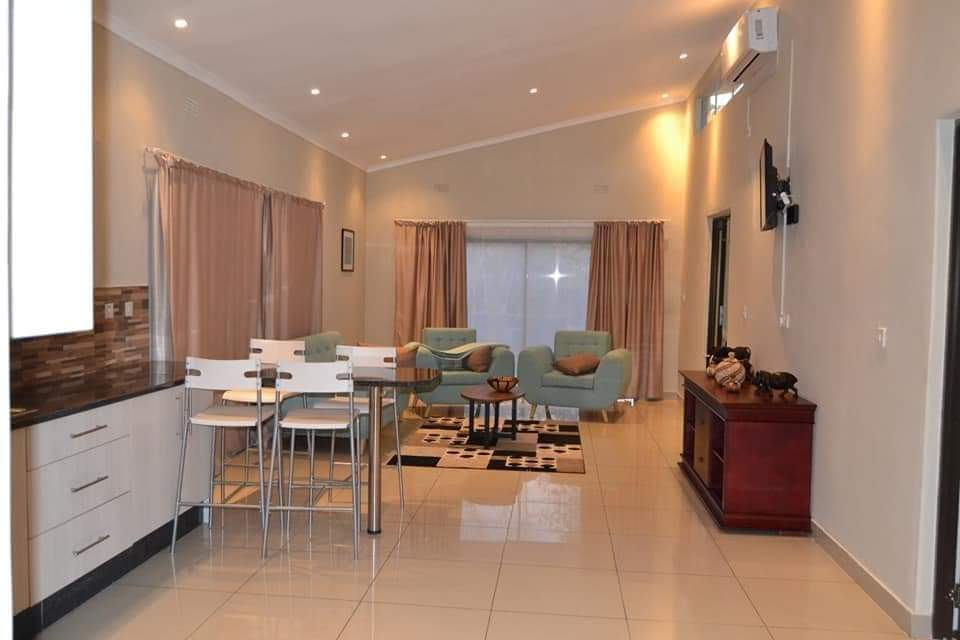
At Chobe Sunset Chalets near Kasane, families can choose comfortable, air-conditioned accommodation in a calmer village setting, with room options that suit small groups of up to six guests. It is a useful base for families who want easy access to safari experiences while returning to a relaxed space at night.
Plan Safari Activities Around Energy Levels
A morning game drive is often the strongest choice for wildlife viewing, when temperatures are cooler and animals are more active. It can also be the hardest part of the day for children who are adjusting to a new time zone. On the first morning, consider a later start if your family has arrived from a long-haul flight. Everyone will enjoy the bush more when they are rested.
Boat safaris on the Chobe River are often an excellent family activity. There is less bouncing than on many game-drive tracks, more room to look around, and frequent wildlife along the banks. Elephants may wade or swim nearby, hippos can be spotted in the water, and crocodiles rest along sandy edges. Guides can help children understand what they are seeing, from a fish eagle’s call to the way a herd protects its calves.
Nature walks, birding outings, and village cultural visits can add welcome variety, particularly for families staying several nights. Not every child is fascinated by a fourth leopard search or a second long drive. Mixing wildlife excursions with shorter experiences gives everyone a chance to connect with Botswana in a way that suits them.
When reserving activities, ask about minimum ages, drive duration, restroom access, shade, and what is included. These details are not minor. They are what turn a promising outing into a relaxed one.
Keep the Daily Schedule Light
One main activity a day is often enough for a family safari. A morning game drive followed by lunch, swimming, and downtime can feel full without becoming rushed. On another day, enjoy a slow morning at the lodge and take a late-afternoon river safari when the light softens over the water.
This gentler pace also leaves room for the unexpected. Wildlife does not follow a timetable. A herd of elephants crossing the road, a colorful bird in the garden, or monkeys moving through the trees can become the story everyone remembers. Children are often better at noticing these unscripted moments than adults are.
If you are traveling with a baby or toddler, shorter private outings may be worth considering where available. They offer more control over departure times and allow the family to return early if needed. For school-age children, a shared activity can be wonderful, provided they understand that quiet voices and patience are part of seeing wildlife responsibly.
Prepare for Comfort, Not Just Photos
Safari packing for a family should be simple and purposeful. Lightweight layers work well because early starts can be cool, while midday can be warm. Bring a sun hat, sunscreen, refillable water bottles, closed walking shoes, insect repellent, and a light rain jacket during the wetter months. A small pair of binoculars for children can turn a game drive into a treasure hunt.
Snacks are useful, especially on longer excursions, but avoid leaving food unattended outdoors. Keep cameras and phones protected from dust and occasional rain, and bring a portable charger if you expect to take many photos. For younger children, a small notebook for drawing animals seen each day can be more engaging than constant screen time.
Talk with children before the safari about respectful wildlife viewing. Animals need space, guides’ instructions matter, and loud noises can disturb the experience for both wildlife and other guests. Framing these habits as part of being a thoughtful safari traveler helps children feel involved rather than restricted.
Consider Timing and Travel Logistics
The dry season, generally from May through October, can bring concentrated wildlife around water sources and pleasantly mild mornings. It is also a popular time to visit, so reserving rooms and activities ahead is sensible. The green season, broadly from November through April, brings lush landscapes, dramatic skies, migrant birds, and a quieter feel in some periods. Rain can affect road conditions and activity timing, but the scenery can be especially beautiful.
Families flying into the region should avoid placing a major safari activity immediately after a long international journey. A first evening spent settling into the room, enjoying dinner, and getting a good night’s sleep makes the next day far more rewarding. If you are self-driving, confirm routes, border requirements if applicable, fuel plans, and parking before departure.
A clear itinerary is reassuring, but it should not be rigid. Leave space for weather changes, tired children, and the chance that the river safari everyone expected to be a quiet afternoon becomes the highlight of the trip.
Give Each Family Member a Role
Children enjoy a safari more when they are participants rather than passengers. Let one child keep track of animals spotted, another choose the evening photo to share with family back home, or ask older children to identify birds with a guide’s help. Adults can set the tone by being patient and curious too.
The most memorable Botswana family safari is not measured by a checklist of species. It is the shared pause when the vehicle stops, the bush grows quiet, and everyone watches an elephant family move through the grass at its own unhurried pace.