

Elephants stepping quietly into the shallows, hippos surfacing beside papyrus, and a sunset turning the river copper – a Chobe river safari offers a different kind of game viewing. From the boat, there is no need to follow a dusty track or crane for a view through brush. Wildlife often comes to the water’s edge, and the gentle pace gives you time to watch the small details as well as the headline animals.
For many visitors to northern Botswana, a river safari is one of the most memorable parts of a Chobe National Park itinerary. It is also an easy experience to combine with a morning game drive, a relaxed afternoon by the pool, or a peaceful overnight stay near Kasane. A little planning helps you choose the right departure time, set realistic expectations, and enjoy the river in comfort.
What Makes a Chobe River Safari Different
Chobe National Park is known for its large elephant population, and the river is one of the best places to see elephants behaving naturally around water. Herds may gather on the banks to drink, bathe, feed, and cross between islands. Calves often stay close to the adults, while older elephants use their trunks to pull up grasses or spray themselves with water.
The boat’s lower angle changes the experience. On a vehicle safari, you may look down from a raised seat toward an animal. On the river, you are often at eye level with birds on the shoreline, buffalo in the reeds, and elephants wading through the water. A good guide can position the boat respectfully, allowing everyone to watch without crowding the animals.
The river also brings variety. You may see crocodiles resting on sandy banks, pods of hippos, water monitors, vervet monkeys, and antelope such as impala or waterbuck. Birders have plenty to look for, from African fish eagles and kingfishers to herons, storks, bee-eaters, and colorful waterbirds. Sightings are never guaranteed, but Chobe’s riverfront is lively enough that the journey itself rarely feels quiet for long.
Choosing the Best Time for Your Boat Safari
Most river safaris take place in the morning or late afternoon. Both can be rewarding, but they suit different travel styles.
Morning trips are cooler, especially during warmer months, and the light can be soft for photography. They also leave the afternoon open for a rest, a village visit, or a game drive. If you are adjusting to jet lag or traveling with young children, a morning departure can feel easier than staying out until sunset.
Afternoon cruises are popular because animals often return to the water as temperatures ease. The final hour of daylight can be beautiful, with warm color on the river and silhouettes of elephants, trees, and birds. These trips can feel more social as well, though that depends on the operator and group size.
The dry season, generally from around May through October, is often considered a prime period for river viewing because wildlife concentrates closer to reliable water. It can also be busier, particularly during school holidays and peak safari months. Green season travel brings fuller landscapes, dramatic skies, and excellent birdlife, although thick vegetation and changing water levels can make some sightings less predictable. Neither season is simply better – it depends on whether your priority is concentrated wildlife, quieter travel, lush scenery, or birding.
Give Yourself Time Around the Cruise
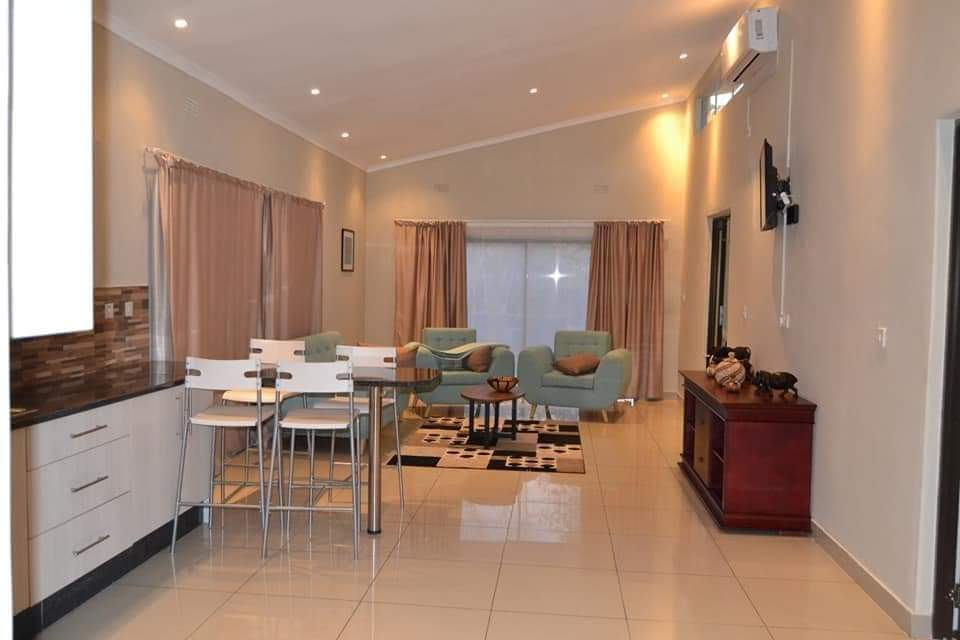
A river safari is more enjoyable when it does not become a rushed transfer between activities. Allow time to return, shower, and settle in before dinner, especially after a warm afternoon on the water. Comfortable accommodation with air conditioning, a garden setting, and a place to sit outside can make the transition from wildlife adventure to evening rest feel effortless.
For guests staying in Lesoma Village, Chobe Sunset Chalets provides a quieter base outside the busiest park-facing areas while keeping Chobe activities within easy reach. It can be a practical choice for couples, families, and small groups who want space to relax after a full day outdoors.
What to Bring on the Water
You do not need specialist safari gear for a boat trip, but a few essentials make a real difference. Wear light, breathable clothing and bring a warm layer for early mornings or the cooler months. Even a sunny day can feel breezy once the boat is moving.
A hat, sunglasses, sunscreen, and insect repellent are useful throughout the year. Bring a camera or phone with enough battery space, but do not spend the entire cruise behind a screen. The best photographs usually come after you have spent time watching an animal’s behavior rather than taking quick pictures of every sighting.
Binoculars are especially worthwhile for birds and distant animals. If you have a long camera lens, protect it from spray and dust during transfers. A small dry bag or zippered pouch is handy for electronics, passports, and medications. Your operator will normally provide life jackets, and crew instructions should always be followed when boarding, moving around the boat, or approaching wildlife.
How to Get Better Wildlife Views
A successful river safari is not about collecting the longest possible species list. It is about slowing down enough to notice what is happening. When a guide stops near elephants, watch their body language: a calf may imitate an adult’s movements, or a herd may form a protective group before entering deeper water. With hippos, listen for calls and watch for ears, eyes, and nostrils appearing above the surface before the rest of the animal follows.
Sit where you can turn comfortably and avoid standing unless the crew says it is safe. If you are traveling as a family or group, agree to take turns at the best viewing side rather than leaning across other guests. Respectful shared viewing creates a calmer experience for everyone.
It also helps to tell your guide what interests you. A keen photographer may appreciate advice about light and boat position. Birdwatchers may want help identifying calls. First-time safari travelers may prefer a simple explanation of animal behavior and the landscape. Guides cannot control wildlife, but they can shape the experience around what you hope to notice.
Pair the River With a Game Drive
A boat safari and a land safari complement each other well. The river gives you close views of water-based activity and shoreline wildlife, while a game drive reaches habitats farther from the water. Lions, leopards, giraffes, and other species may be possible on either experience, but the setting and viewing style are very different.
If your schedule allows, consider a morning game drive followed by an afternoon river cruise on separate days. This gives you more energy, more time to process what you have seen, and a better chance of varied sightings. Travelers with only one night in the area may prefer choosing one activity rather than squeezing both into a tight schedule.
A Comfortable End to a Day on the River
After hours of sun, wind, and wildlife watching, comfort matters more than many travelers expect. A cool room, a hot shower, reliable Wi-Fi to share a few favorite photos, and secure parking for self-drive guests are practical details that support a relaxing safari holiday. Families and small groups should also check bed arrangements before reserving, rather than assuming every room suits the same number of guests.
Keep your evening simple after a late cruise. Charge your camera, refill your water bottle, set out clothes for the next morning, and give yourself a few unhurried minutes outdoors. The river’s elephant herds may be the day’s big memory, but the quiet afterward is often what makes the experience stay with you.