

A morning game drive in Chobe can begin with elephants crossing the road before the sun has fully warmed the sand. Before that moment, though, every self-drive visitor needs to account for Chobe National Park entrance fees. They are a straightforward part of planning a Botswana safari, but the total depends on your nationality, the number of days you enter the park, and whether you bring a vehicle.
For many travelers, the key is to separate the park budget from the rest of the trip. Park fees pay for access to Chobe’s exceptional wildlife areas. Accommodation, guided drives, boat safaris, meals, and transfers are usually priced separately. Knowing this before you arrive makes it easier to choose the right pace for your stay, whether you are visiting for one memorable afternoon or several full days of wildlife viewing.
What Chobe National Park entrance fees cover
Entrance fees give visitors access to the national park for the applicable day. Chobe is especially known for its large elephant herds, riverfront game viewing, buffalo, giraffe, antelope, and an impressive variety of birdlife. A park entry allows you to experience these protected landscapes, but it does not include a guided safari vehicle, a private guide, a river cruise, food, or overnight camping unless those services have been booked separately.
Most independent travelers enter through the Sedudu Gate near Kasane when visiting the popular Chobe Riverfront area. This is the most convenient section for a day trip from the Kasane and Lesoma area. Other gates serve different parts of the park and can be more practical for longer self-drive routes or visitors continuing toward Savuti.
Current Chobe National Park entrance fees to plan for
Botswana’s Department of Wildlife and National Parks sets park fees, and rates can change. As a planning guide, international adult visitors have commonly paid around BWP 190 per person per day, while international children have commonly paid around BWP 95 per child per day. Botswana citizens, residents, and SADC visitors may be eligible for different rates.
If you drive your own vehicle into the park, a separate daily vehicle fee is generally charged in addition to each traveler’s entry fee. For a standard light vehicle, visitors should allow roughly BWP 50 per day as a starting estimate. Charges may differ according to vehicle type, size, trailer use, or commercial status.
These figures are useful for building an initial budget, not as a final quote. Confirm the current rate, accepted payment method, gate hours, and any vehicle requirements with the relevant park office shortly before travel. This is particularly wise if you are traveling during peak season, arriving with a rental vehicle, or crossing borders as part of a longer southern Africa itinerary.
A simple one-day budget example
A couple visiting as international travelers in one regular rental car could budget approximately BWP 430 for one day of park access: about BWP 380 for two adult entries plus a vehicle charge of about BWP 50. The amount would rise if you return on a second day because entry and vehicle fees are normally daily charges.
That calculation does not include fuel, a guide, meals, or a boat safari. It does, however, help answer an important planning question: is it better to self-drive for one longer day, or book guided activities across two days? The answer depends on your confidence behind the wheel, your time in Chobe, and the kind of wildlife experience you want.
Self-drive or guided safari: what changes
Self-driving gives you flexibility. You can set out early, pause at a waterhole, spend longer with a herd of elephants, and return when you are ready. It works well for travelers comfortable on unpaved roads who have a suitable vehicle and understand park rules. You will still pay your own daily entry and vehicle fees at the gate.
A guided game drive removes much of the practical work. Your guide handles navigation, timing, wildlife spotting, and the changing road conditions, leaving you free to enjoy the landscape. Depending on the operator and the trip you choose, park fees may be included in the safari price or collected separately. Ask this question when reserving so there are no surprises on the day.
A Chobe River boat safari is another experience altogether. It usually launches from outside the park and has its own activity price. Park entrance fees may not apply in the same way as they do for a road-based game drive, but the exact arrangement depends on the operator and route. River safaris are especially rewarding in the late afternoon, when elephants often gather along the banks and the light turns soft over the water.
How many park days should you allow?
One full day in Chobe can be deeply rewarding, particularly along the riverfront. An early drive often brings cool air, active animals, and fewer vehicles. After a break during the warmer middle of the day, an afternoon boat safari adds a different perspective on the same ecosystem.
Two days are a better choice if wildlife viewing is a central reason for your trip. The animals do not perform on a schedule, and an extra morning gives you more space for quiet sightings and changing conditions. Families may also appreciate a less rushed plan, with time to return to air-conditioned comfort and a pool between outings.
For travelers combining Chobe with Victoria Falls, the Okavango Delta, or a cross-border itinerary, one park day may be the practical choice. Rather than trying to fit everything into a single rushed excursion, choose one well-timed activity and leave room to enjoy it.
Payment, documents, and gate-day preparation
Carry your passport or valid identification, as nationality and residency affect the applicable fee. If you are driving, bring your driver’s license, rental agreement, and any vehicle documents requested by your rental company or border authorities. Keep payment funds available in the form currently accepted at your chosen gate, and check in advance whether card payment is available and reliable.
Start early when possible. The riverfront is popular, and entering with plenty of morning time allows for a calmer drive and better wildlife viewing. Fuel up before you enter, carry drinking water, and make sure your phone is charged. Mobile coverage can vary, so do not rely on it for navigation or a last-minute change of plan.
Park rules protect both visitors and wildlife. Stay in your vehicle except in designated areas, keep a respectful distance from animals, never feed wildlife, and follow all instructions from park staff. Elephants in Chobe are magnificent to watch, but they are wild animals with the right of way every time.
Make your Chobe stay feel unhurried
The most satisfying Chobe itineraries leave room for rest around the wildlife. A pre-dawn departure is much easier when you have slept well, and an afternoon on the river feels even better when you can return to a peaceful garden setting afterward.
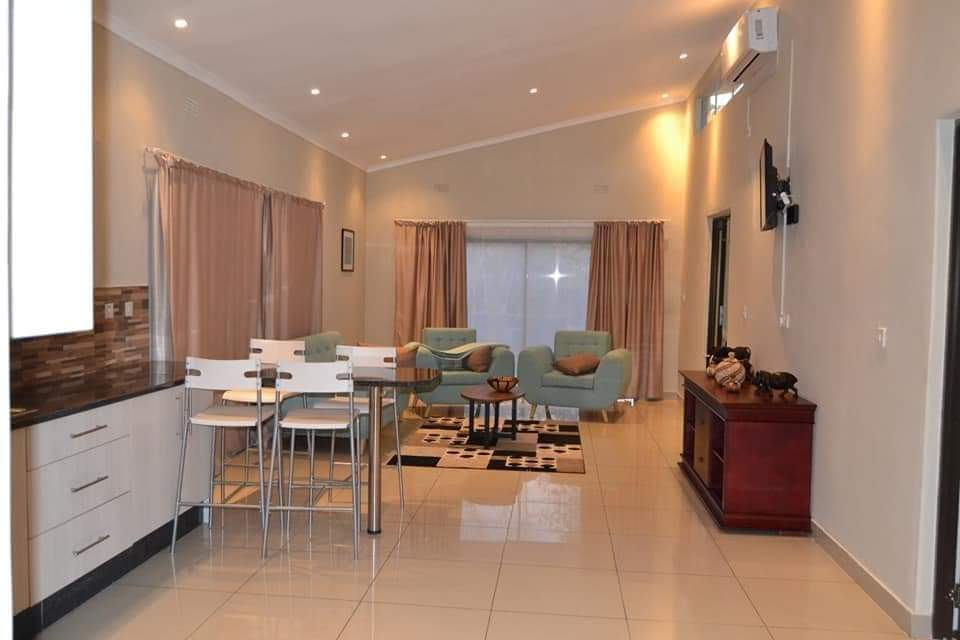
Chobe Sunset Chalets offers a relaxing base near Kasane for travelers who want convenient access to park adventures without staying in the busiest resort area. Air-conditioned rooms, parking, Wi-Fi, outdoor space, and a pool bring welcome comfort after hours spent watching elephants, hippos, and birds along the river.
Before setting off, confirm the latest Chobe National Park entrance fees and choose the park days that suit your energy, budget, and travel style. Then leave some unplanned time in your schedule. In Chobe, a quiet pause beside the river or an unexpected elephant crossing can become the moment you remember most.
Leave a Reply