

A 6 a.m. game drive can feel surprisingly cool. By midday, the same open vehicle may be hot, bright, and dusty. That contrast is why a thoughtful Botswana safari packing list matters more than a suitcase full of extra outfits. Pack for movement, changing temperatures, sun, and long wildlife-viewing days, then leave room for the pleasure of traveling lightly.
For a Chobe safari, comfort is not about dressing up. It is about having breathable clothes, dependable shoes, protection from the sun, and a few practical items that let you stay focused on elephants at the riverbank rather than a sore shoulder or a dead camera battery.
Botswana Safari Packing List: Start With Layers
Northern Botswana is warm for much of the year, but early mornings and evenings can be cool, especially from May through August. Game drives often start before sunrise, when an open vehicle brings the breeze straight through. A light fleece, soft jacket, or long-sleeve overshirt will make those first wildlife sightings much more comfortable.
Choose lightweight layers that can come off easily as the day warms. A breathable T-shirt or safari shirt, paired with a light long-sleeve layer, works better than one heavy top. For bottoms, comfortable long pants are useful for drives, village visits, nature walks, and cooler evenings. One pair of shorts is handy for relaxed time around your chalet or pool, but it should not be the only option in your bag.
Stick to muted colors such as khaki, olive, tan, gray, and soft brown. These tones are practical in the bush and tend to show less dust. White can become visibly dusty quickly, while very dark colors may attract more attention from biting insects. Bright clothing will not spoil a safari, but quiet colors feel more at home in natural surroundings and photograph well against Chobe’s golden grass and green riverbanks.
Clothes and Footwear That Work Outdoors
Safari days are active, even when the activity itself is sitting quietly in a vehicle or boat. You may step in and out of a 4×4, stand for a better view, walk from the parking area, or spend time on uneven ground near a viewpoint. The goal is simple: wear clothing that does not restrict you and footwear you trust.
Bring these core pieces:
- Two or three lightweight T-shirts or tops, plus one or two long-sleeve shirts
- Two pairs of comfortable pants and a pair of shorts or casual skirt for relaxed afternoons
- A light fleece, cardigan, or jacket for cool mornings and evenings
- Comfortable closed-toe walking shoes or trail shoes, plus sandals for downtime
- Enough underwear and socks for your itinerary, including a few quick-drying options
You do not need heavy hiking boots unless your trip includes serious walking or you already find them comfortable. For most Chobe game drives and river safaris, supportive walking shoes are more useful, easier to pack, and more pleasant in warm weather. Avoid breaking in brand-new shoes on vacation. A small blister can make even a short nature walk feel much longer.
A swimsuit is also worth packing. Returning from a morning drive to a peaceful garden setting and a refreshing pool is one of safari’s quieter pleasures. A light cover-up or casual shirt and sandals make it easy to move between your room and outdoor areas.
Sun, Dust, and Insect Protection
The African sun is often stronger than visitors expect, even on a mild-looking day. A wide-brim hat is one of the most useful things you can bring. A baseball cap helps, but it leaves your ears and neck exposed during long drives or boat trips. Add sunglasses with UV protection and a high-SPF sunscreen that you are comfortable reapplying.
Lip balm with SPF is easy to overlook until dry lips become an annoyance. A small, fragrance-free moisturizer can also be welcome after days of sun, wind, and dust. If you wear contact lenses, carry lubricating drops and glasses as a backup, as dusty conditions can be irritating.
Insect repellent should be part of every Botswana safari packing list. Choose a product that is effective against mosquitoes and use it as directed, especially around dawn and dusk. Long sleeves and pants offer an additional layer of comfort in the evening. Your travel clinic can advise on malaria prevention appropriate to your itinerary, season, and personal medical needs. It is wise to arrange this well before departure rather than making it a last-minute decision.
Keep Your Camera Ready, Not Just Packed
Chobe is known for large elephant herds, riverfront wildlife, birdlife, and changing light that can turn an ordinary scene into a memorable photograph. Bring the camera you know how to use. A new, complicated camera may be exciting, but familiar equipment makes it easier to respond when a leopard appears briefly or elephants cross the road ahead.
A smartphone can take excellent images, particularly in good light. If you are bringing a dedicated camera, a zoom lens in a moderate range is useful for wildlife without needing oversized equipment. Pack spare batteries, a charger, memory cards, and a small cleaning cloth. Dust finds its way into bags, pockets, and lenses, so a simple protective pouch is worthwhile.
Binoculars can transform a drive or river safari. Guides will point out wildlife, but binoculars let you enjoy a distant fish eagle, a resting lion, or movement in the trees at your own pace. Compact binoculars are enough for many travelers and easier to carry than large models.
Bring a power bank for full-day outings. You may use your phone for photos, maps, messages, and bird identification, and battery life disappears quickly in the heat. At your accommodation, having air conditioning, Wi-Fi, and a comfortable place to charge devices can make the practical parts of travel feel easy again after a day outdoors.
Documents, Health Items, and Small Essentials
Keep your passport, travel insurance details, lodge reservation information, cards, and some local currency together in a secure, easy-to-reach travel wallet. Carry these essentials in your daypack rather than placing them in checked luggage. Make digital copies available offline on your phone, while still bringing printed copies if that helps you feel more at ease.
A compact personal kit should include prescription medication in its original packaging, basic pain relief, bandages, antiseptic wipes, antihistamines if you use them, and any motion-sickness medication needed for flights or boat trips. Travelers who are prone to allergies or asthma should keep their usual treatment close at hand. Botswana’s safari areas are wonderfully remote in feeling, which makes preparation reassuring.
Reusable water bottles are practical for travel days and activities. Drink water regularly, particularly when the weather is hot and you do not feel thirsty. A small daypack with a water bottle, sunscreen, camera, repellent, light layer, and snacks is usually all you need to take on an outing.
What to Leave at Home
Overpacking is one of the easiest ways to make a safari less relaxing. Formal outfits, multiple pairs of heavy shoes, large jewelry, and bulky hair tools tend to stay at the bottom of the bag. Safari lodges are generally relaxed, and clean, comfortable clothing is appropriate for dinner and evening drinks.
Avoid strong perfumes and heavily scented body products. They can be unpleasant in warm weather and are not ideal around insects. Plastic bags are useful in small quantities for wet swimwear or protecting electronics, but reusable packing cubes and washable bags are a better long-term choice.
If your itinerary includes light aircraft transfers, luggage limits may be stricter than on international flights. Soft-sided bags are often easier to fit into small aircraft and safari vehicles than hard-shell cases. Confirm the allowance with your travel provider before packing, especially if you plan to bring camera gear.
Pack for the Safari You Are Actually Taking
A family with young children may prioritize sun hats, snacks, a favorite bedtime item, and spare clothes. Couples on a short Chobe stay may travel with one versatile carry-on bag each. Birders may make space for binoculars and a field guide, while photographers may need a carefully planned equipment bag. The best packing list is not the longest one. It is the one that suits your activities and keeps your days uncomplicated.
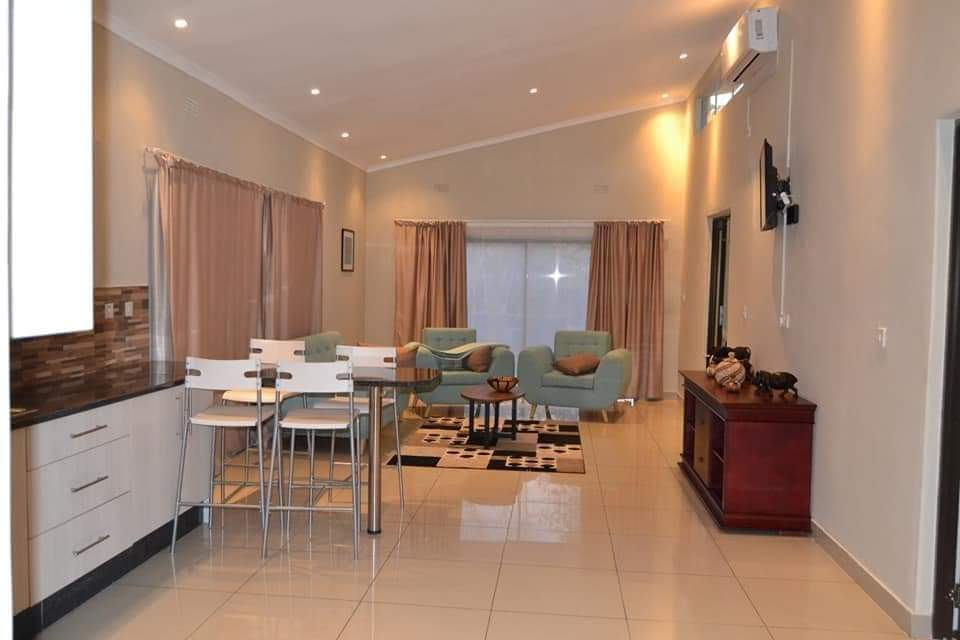
At Chobe Sunset Chalets, a calm garden setting, air-conditioned rooms, parking, and outdoor space offer a comfortable place to reset between adventures. Pack lightly enough that arrival feels simple, then keep your daypack ready for the next game drive, river safari, or unhurried afternoon watching the light change across northern Botswana.
Leave a Reply