

The first elephant sighting often changes the pace of the morning. A gray shape moves between the trees, then another appears behind it, and suddenly the quiet road beside the river holds an entire family. A Chobe game drive experience is not only about checking animals off a list. It is about spending unhurried hours in a landscape where elephants, buffalo, antelope, birds, and predators all move according to their own rhythms.
For travelers visiting northern Botswana, Chobe offers an accessible and rewarding safari experience without requiring a complicated itinerary. The park is known for its large elephant herds and wide variety of wildlife, but the best days also include smaller moments: a fish eagle calling across the water, impala stepping through golden grass, or a young elephant testing its trunk in the mud.
Why Chobe Feels Different on a Game Drive
Chobe National Park is strongly shaped by the Chobe River. Its water attracts wildlife throughout the year, especially in the dry season, when animals gather along the riverfront to drink, bathe, and feed. This concentration can make game viewing feel wonderfully active, particularly in the morning and late afternoon.
Elephants are the main reason many visitors come. You may see a lone bull standing quietly beneath a tree, a herd crossing the road, or dozens of elephants gathered near the riverbank. Their presence is impressive, but it is not the only story. Cape buffalo, giraffe, zebra, warthog, baboons, and several antelope species are regularly seen. Lions and leopards are possible, although never guaranteed – which is part of what keeps a real safari exciting.
The landscape also has a character of its own. Some routes pass through riverine forest and dense vegetation, while others open onto sandy tracks, floodplains, and broad views toward the water. Each setting favors different animals and creates a different feeling in the vehicle. One hour can be full of close elephant encounters; the next may be quiet except for birdsong and the sound of tires on sand.
The Best Time for a Chobe Game Drive Experience
Early morning and late afternoon are usually the most comfortable and productive times to be out. Temperatures are cooler, light is softer for photographs, and many animals are more active before the heat of the day. Morning drives can begin while the air is still crisp, with the possibility of seeing predators returning from a night of hunting or herbivores beginning to feed.
Afternoon drives bring a different kind of anticipation. As the day cools, animals often become more visible again, and the low sun gives the bush a warm, rich color. It is a peaceful time to watch elephants heading toward water or birds settling into the trees before dusk.
Season matters, though it should not become a reason to overlook other times of year. During the dry months, generally from May through October, wildlife often gathers closer to reliable water sources. This can make sightings easier and more concentrated along the river. Days are pleasantly warm, while early mornings and evenings can be surprisingly cool.
The green season, roughly November through April, brings rain, fresh grass, dramatic skies, and excellent birding. Vegetation can be thicker, so some animals may be harder to spot. In exchange, the landscape feels lush and alive, there are often fewer vehicles, and travelers who enjoy photography may appreciate the changing light and deep green scenery. The best season depends on whether your priority is dense wildlife viewing, birdlife, quieter travel, or a mix of all three.
What You May See, and Why Patience Matters
A good guide reads more than the road ahead. They may notice fresh tracks in the sand, alarm calls from impala, disturbed birds in the trees, or a distant movement that most guests would miss. This local knowledge helps create opportunities, but wildlife remains wild. No responsible guide can promise a lion, leopard, or a particular dramatic moment.
That uncertainty is worth embracing. On one drive, the memorable sighting may be a lion resting in long grass. On another, it may be a herd of elephants surrounding the vehicle at a respectful distance, communicating in low rumbles and gentle touches. Even common animals can be fascinating when you have time to watch their behavior rather than simply take a quick photo.
Birders will find plenty to enjoy as well. The Chobe area supports colorful bee-eaters, kingfishers, hornbills, eagles, storks, and waterbirds, among many others. Bring binoculars if birds are part of your safari wish list, but do not worry if they are not. A good guide can point out species and explain what makes each habitat important.
How to Be Comfortable in the Safari Vehicle
A game drive is often more enjoyable when you prepare for the practical details. Vehicles are typically open or have large viewing windows, which is ideal for seeing and photographing wildlife but means you are exposed to changing temperatures, dust, sun, and occasional light rain.
Wear comfortable, neutral-colored clothing that can be layered. A light jacket or fleece is useful for a cool morning start, while a hat, sunscreen, and sunglasses help during brighter hours. Closed shoes are sensible for getting in and out of the vehicle and for any scheduled stop. Avoid strong perfume or heavily scented products, since safari is best experienced with the natural smells of the bush around you.
Bring water, keep your camera or phone charged, and have enough storage space for photos. If you are using a camera, a zoom lens is helpful, but patience matters more than equipment. Animals do not always appear close to the road, and the pleasure of the drive should not depend on getting one perfect image.
For families, an early morning or late afternoon drive can work well when children are comfortable sitting quietly for periods of time. It helps to set expectations beforehand: wildlife sightings are exciting, but safari also includes watching, waiting, and listening. A private or family-focused arrangement may suit younger travelers better when flexibility is a priority.
Pair a Land Safari With the River
A game drive shows Chobe from ground level. A river safari reveals a completely different side of the same ecosystem. From the water, elephants may be seen drinking, swimming, or crossing shallow channels, while buffalo gather on the banks and hippos surface nearby. Crocodiles often rest in sunny spots, and birdlife can be especially rewarding.
For many visitors, combining a game drive with a boat safari creates a fuller picture of the area. The land drive is often better for tracking animals through woodland and open bush, while the river trip offers broad views, cooler breezes, and close attention to life along the shoreline. If your schedule allows, doing one activity in the morning and the other later in the day gives each experience its own pace.
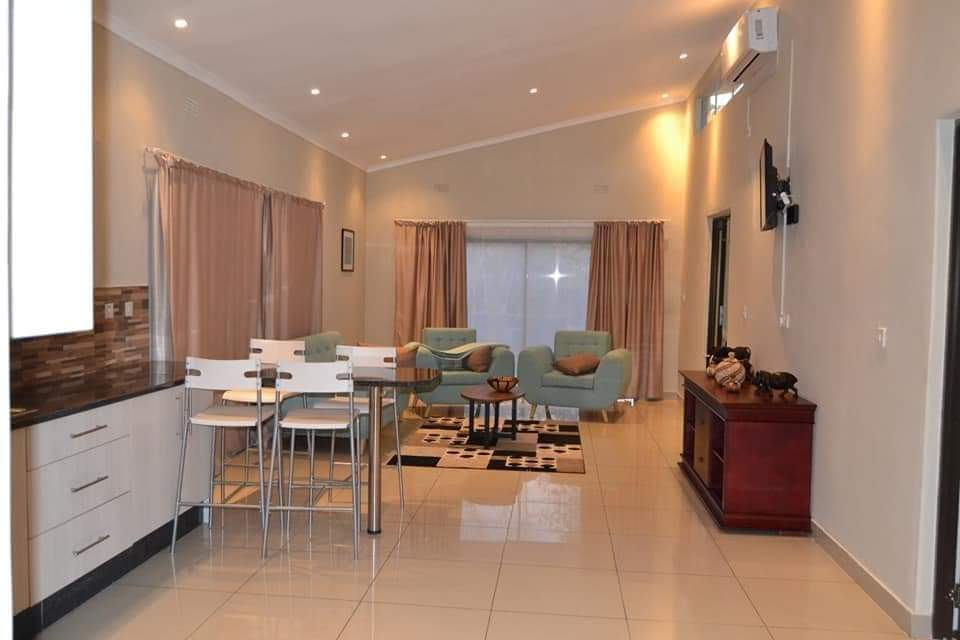
You do not need to rush between activities, however. A safari holiday is more enjoyable when there is space to rest, review photographs, swim, or sit outside with a drink between outings. Chobe Sunset Chalets offers a quieter garden setting near Kasane, with air-conditioned rooms, an outdoor pool, parking, and a relaxing place to return to after time in the park.
Make the Most of Every Sighting
When your vehicle stops, resist the urge to speak immediately. Listen first. You may hear branches breaking as elephants feed, a warning snort from an antelope, or the wings of a bird lifting from the grass. Quiet observation often reveals more than a hurried photograph.
Follow your guide’s instructions, remain inside the vehicle unless invited to step out at a safe designated location, and give animals room. Respectful viewing protects both people and wildlife. It also tends to lead to better encounters, because animals that do not feel pressured are more likely to continue their natural behavior.
Leave room in your plans for the unexpected. The drive that begins with hopes of seeing a famous animal may end with a remarkable elephant herd, an unforgettable sunset, or the simple pleasure of being still in Botswana’s wild spaces. That is often the moment travelers carry home longest.
Leave a Reply