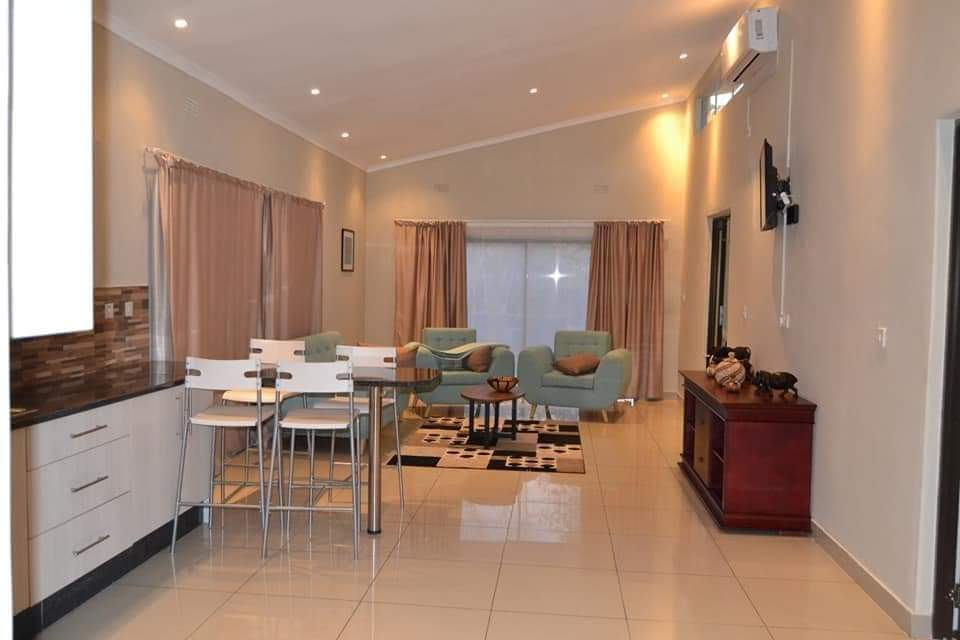


The first elephant sighting of the day is unforgettable. The second thing most safari travelers want is a calm place to return to afterward: a cool room, a hot shower, and time to sit outside without the busy energy of a large waterfront property. Choosing a quiet lodge near Chobe National Park can make that rhythm possible, giving you close access to wildlife experiences while protecting the restful part of your vacation.
For travelers planning northern Botswana from the US or other long-haul destinations, this balance matters more than it may seem on an itinerary. Early game drives, warm afternoons, and river safaris are rewarding, but they are full days. The right lodge is not simply a bed between activities. It is where you recharge, review the day’s photographs, and wake ready to do it again.
What “quiet” should mean on a Chobe trip
A quiet stay does not have to mean being far from the action. It means choosing an accommodation setting where the atmosphere supports rest: fewer crowds around your room, outdoor spaces that feel relaxed rather than rushed, and a location that does not require you to give up a full day just to reach the park or the river.
In the Chobe area, this often means looking beyond the busiest park-facing zones. A lodge in a garden-based setting near Kasane can offer a gentler pace while keeping game drives, boat safaris, birding, cultural visits, and nature walks within easy reach. You can spend the morning watching elephants along the Chobe River and still return to a quieter setting for an afternoon swim or a peaceful evening outdoors.
There is a trade-off worth understanding. A secluded lodge may not place you within walking distance of every restaurant, marina, or departure point. For many independent travelers, couples, and families, that is a worthwhile exchange for a more restful night. The best choice depends on whether your priority is being in the center of town or having space to unwind after your safari.
Why a quiet lodge near Chobe National Park works
Chobe National Park is known for remarkable wildlife viewing, particularly its large elephant herds, riverfront habitats, and strong opportunities to see buffalo, giraffe, antelope, crocodiles, and abundant birdlife. Wildlife days tend to begin early, often before the heat builds. They can also run late if you choose an afternoon river cruise for the soft light and animal activity near sunset.
A peaceful place to stay helps you enjoy those experiences rather than simply recover from them. Air-conditioned accommodation is especially welcome after hours outdoors, while a patio, terrace, or garden lounge gives you a comfortable place to slow down between plans. These small details become part of the vacation: coffee before departure, a quiet break after lunch, and a chance to talk through the day without competing with resort noise.
For families, a calmer base can be even more valuable. Children need downtime between excursions, and parents benefit from accommodation that does not make every meal, rest period, or packing task feel hurried. Small groups also tend to appreciate shared lodging that is practical without sacrificing personal comfort.
Choose the room around your travel party
Before comparing properties, start with how you will actually use the room. A solo traveler may be happy with a comfortable guest room and reliable Wi-Fi for checking plans. A couple may value a private outdoor sitting area and a more relaxed setting after a full day on the river. Families and friends traveling together should look carefully at bed configurations rather than assuming that any “family room” will fit everyone comfortably.
For a quiet safari stay, a room should meet your functional needs first. Air conditioning matters in northern Botswana’s warmer months. Good bedding, a private bathroom, and enough space for luggage make early starts easier. If you are traveling with cameras, binoculars, children’s gear, or soft-sided safari bags, a cramped room can quickly feel less restful.
It also helps to consider whether you want a chalet-style stay or a guest room. Chalets can provide an appealing sense of privacy and a more independent feel, while guest rooms may suit short stays or solo travelers looking for straightforward comfort. At Chobe Sunset Chalets, accommodation options are designed for solo guests, couples, families, and small groups of up to six, making it easier to match the room to the people traveling with you.
Look for the comforts that matter after safari hours
Safari travel is often described through wildlife moments, but practical comforts shape the experience just as much. After a dusty game drive or a warm afternoon on the water, you will notice whether your room is cool, whether parking is simple, and whether there is a pleasant spot to sit outside.
A pool can be particularly useful on days without a scheduled activity or during the middle of the day, when the sun is strongest. Complimentary Wi-Fi gives travelers a way to confirm transfers, share a few photos with family, or adjust plans without leaving the property. Free parking is helpful for self-drive guests and for anyone arriving with a rental vehicle.
Outdoor lounges, patios, and garden views add something less measurable but equally valuable: a sense that you have arrived somewhere you can stay awhile. You do not need entertainment every minute of a safari holiday. Often, the best part of the evening is simply sitting in the fresh air, listening to the quieter sounds around you, and anticipating the next day’s wildlife encounter.
Plan access to experiences, not just distance
When people search for accommodation near Chobe National Park, they often focus only on a map pin. Distance matters, but access matters more. Ask how easily you can arrange or reach the activities you want, including game drives in the park, Chobe River safaris, village cultural tours, birding outings, and nature walks.
The Chobe-Zambezi wildlife tourism corridor offers a rare variety of experiences in one region. A morning game drive can reveal elephants moving through woodland and open floodplain. A river safari later in the day presents a completely different perspective, with animals gathering at the water’s edge and birds active in the reeds. Staying in a quieter nearby location lets you enjoy both without choosing between convenience and rest.
If you are traveling independently, reservation support can remove a great deal of uncertainty. A responsive team available by phone, email, or WhatsApp is useful when you need to coordinate arrival times, confirm room suitability, or ask about local activities. Straightforward communication is especially reassuring after an international flight or when plans change during a multi-country trip.
A few questions to ask before reserving
The most useful questions are specific. Confirm the bed setup rather than relying on room labels. Ask whether your room has air conditioning and access to outdoor areas or the pool. If you are driving, verify parking arrangements. If reliable contact with home or onward travel providers matters to you, ask about Wi-Fi where you will be staying.
You should also be honest about your preferred pace. Travelers who want nightlife and a constant social scene may be happier at a larger, busier property. Those who want wildlife-filled days followed by a peaceful garden setting will likely find more value in a quieter lodge outside the main bustle.
Finally, build a little unplanned time into your stay. Chobe rewards early starts and well-organized excursions, but it also rewards a slower afternoon by the pool, an unhurried conversation on the patio, and the simple comfort of returning to a room that feels cool and calm. Choose a lodge that gives your safari memories room to settle in – that is often where the trip becomes truly restorative.